
About the Foundation

The Story of TEI

Five decades of research, scholarship, and education in the service of a healthier, more human world.

125+
Publications
80+
Research Studies
500+
Scholarships & Grant Awards
12
TEI Principles
50+
Years of Research
12 Principals

12 Principles of Transformative EI

These twelve principles form the foundation of Transformative EI — a research-backed model for emotional intelligence as a learnable, daily-practice discipline.

01
Foundational

Integrative

A complete, integrated system of skills and behaviors.

Emotional intelligence is an integrated set of skills and behaviors to learn and develop. The skills span four domains — personal, emotional, relational, and life (PERL) — and they reinforce one another as a connected system, not isolated traits.

In Practice
Strengthening self-awareness in one domain naturally builds capacity across stress management, relationships, and decision-making — because the system works as a whole.
02
Foundational

Skills Based

Skills you can learn, strengthen, and enhance.

Each of us can work to learn, strengthen, and enhance emotional skills. EI is not a fixed trait, type, or temperament — it is a discipline built through deliberate study and practice, anchored in research that began with Nelson and Low's original 1,200-item skills pool.

In Practice
Like learning a language or an instrument, EI grows with focused practice, feedback, and time — not by waiting for it to "click."
03
Foundational

Experiential

The experiential mind is the lead system for change.

The experiential system is the lead system for learning, positive change, and personal growth. Drawing on Epstein's cognitive-experiential self-theory, TEI recognizes that lived experience — not theory alone — is where emotional skills actually develop.

In Practice
A workshop teaches the framework. The hard conversation with a colleague the next day is where the real learning happens.
04
Foundational

Reflective Thinking

Reflection drives a different kind of learning.

Emotional intelligence is different from cognitive or academic learning — it requires reflective thinking, the ability to pause, examine your reactions, and choose your response. The five-step Emotional Learning System (ELS) operationalizes this process.

In Practice
After a difficult moment, asking "what did I feel, why did I feel it, and how do I want to respond?" — instead of moving straight on.
05
Behavioral

Breaks Reactivity

A critical 21st-century skill.

Reflective thinking helps us break habits of emotional reactivity — a requisite skill for the 21st century. Creating space between trigger and response is the gap where wisdom and leadership live.

In Practice
The pause between a triggering email and your reply is where emotionally intelligent leadership shows up.
06
Behavioral

Positive Focus

A foundation for excellence.

Emotional intelligence provides a foundation for achieving excellence in career, life, and leadership. TEI is a positive philosophy — research-derived, person-centered, skills-based, relationship-focused — that shifts growth from deficit-fixing to strength-building.

In Practice
Instead of "I'm too emotional," reframing as "I feel things deeply — how do I channel that?"
07
Behavioral

Positive Assessment

The first step in the Emotional Learning System.

Positive assessment is the first step for achievement, leadership, and personal growth — Step A in the five-step ELS. Honest, compassionate self-assessment without shame creates the conditions for real change and intelligent self-direction.

In Practice
A team that openly assesses its emotional climate can address it. A team that pretends everything is fine cannot.
08
Behavioral

Behaviorally Anchored

Skills become wise, intentional behaviors.

EI skills, behaviors, and attitudes lead to intentional, wise behaviors and outcomes. TEI is not just feelings or intentions — it produces observable behaviors anchored in the PERL skill set, applied in real situations.

In Practice
"Being a good listener" becomes specific behaviors: making eye contact, asking follow-up questions, summarizing what was said.
09
Practice

Life Management

Higher-order thinking as daily health.

Behavioral reflections of higher-order thinking lead to positive emotional learning and daily health. Drive strength, time management, and commitment ethic — the life-management PERL skills — translate emotional intelligence into sustained well-being.

In Practice
Five minutes of end-of-day reflection compounds over weeks into measurable changes in stress response and goal achievement.
10
Practice

Social Brain

Interdependence over independence.

TEI acknowledges the brain as a social organ — interdependence is a more important variable than independence. This concept aligns with current research on servant leadership and transformational leadership, where relational capacity is central.

In Practice
Lasting emotional growth almost always happens in the context of trusted relationships — not in isolation.
11
Practice

Personal Science

Self-defined, self-directed excellence.

Excellence in TEI is self-defined and self-directed. People — young and old — need a healthy and positive way to self-direct, and TEI provides the framework for intelligent self-direction at any age and any stage of life.

In Practice
A 70-year-old beginning to practice emotional skills is doing exactly the same work, with the same dignity, as a 20-year-old.
12
Practice

Daily Modeling

Living it, every day.

TEI is daily modeling. Personally developing and modeling emotional intelligence every day is the overarching goal — not theory, not performance, but practice. Step E of the ELS: Self-Improvement, Apply and Model.

In Practice
Every conversation, every reaction, every choice is the curriculum. The work is always now.
The Emotional Learning System

How Transformative EI Becomes Daily Practice

Five steps that turn emotional reactivity into reflection, wise action, and growth. The system is iterative — each cycle deepens self-knowledge and refines behavior.

A
Step A

Self-Assessment

Explore

Develop the habit of pausing before you act. Inquire, discover, and question your immediate experience — even when strong emotions like anger, fear, or sadness dominate.

What thoughts am I having right now? What am I feeling? How do I want to respond best in this situation?
B
Step B

Self-Awareness

Identify

Identify your experience as either a thought or a feeling. Accurate self-awareness is the learned ability to correctly recognize and label the emotion you are experiencing.

Naming "this is anger" or "this is fear" is the moment constructive thinking can begin.
C
Step C

Self-Knowledge

Understand

Insight that allows you to make wise choices about how to behave. Sometimes Step C is logical and sequential. At other times, a quick insight reveals new, more creative options.

Understanding why I feel this way reveals the response that aligns with who I want to be.
D
Step D

Self-Development

Learn

Learn and practice new behaviors. Positive self-development requires engaging in behavior that pleases you, builds self-esteem, and increases self-appreciation. New behaviors take practice to become intentional habits.

I will practice the new behavior even when the old reaction feels easier.
E
Step E

Self-Improvement

Apply and Model

Apply and model emotionally intelligent behavior to achieve personal, career, and academic goals. This is not an arrival state — it is the ongoing process of perfecting yourself toward intelligent self-direction.

Every day is the curriculum. The work is always now.
The system is iterative — and the cycle continues

Reflection, not reaction.

The TEI mantra
The Origin

Three Questions That Started It All

In 1977, two psychologists and lifelong friends — Darwin Nelson and Gary Low — set out to answer three questions that would shape the next five decades of their work, and the foundation of Transformative Emotional Intelligence.

Research begun · 1977
01
What differentiates individuals who are more successful and healthy from others who are not?
What They Found
The answer was specific personal and emotional skills — not personality traits or fixed temperaments. Successful, healthy people had developed transformative EI learning dimensions and skill sets that could be measured, taught, and improved through practice.
02
How can we help individuals change and develop in ways that are more successful and healthy?
What They Found
Through research, education, and training — developing models for healthy change, modeling and teaching EI skills in classrooms, and leading and consulting using a transformative EI approach. The work was meant to be shared, taught, and practiced — not theorized about.
03
Can people be both equal and excellent?
What They Found
Yes — by learning to think both critically and constructively, by creating personally meaningful goals for growth, and by practicing wise habits shaped by EI skills daily. Excellence is self-defined and self-directed — accessible to anyone, at any age, willing to engage in the practice.

From these three questions came a body of work that has shaped how thousands of people learn, lead, and live with emotional intelligence as a daily practice.

Leadership

The People Carrying the Work

From the original researchers to the foundation's current leadership — meet the people honoring and extending the legacy of Transformative Emotional Intelligence.
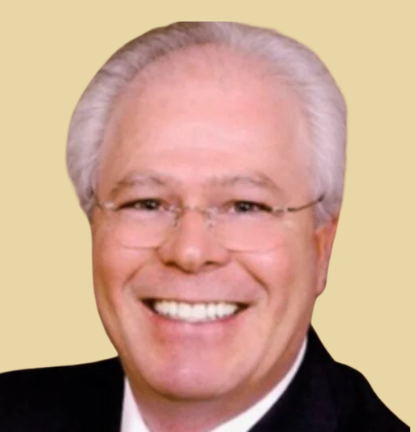
The Originators
Dr. Rick Hammett
EMERITUS ADVISOR

Dr. Rick Hammett

Founder, TEI Foundation
Co-Founder, EILS & EITRI

Late in 2004, after completing 28 years of distinguished service in the U.S. Navy, Lieutenant Commander Rick Hammett began a new chapter by enrolling in the doctoral program in Educational Leadership at Texas A&M University–Kingsville. In 2007, following the completion of his doctoral research in emotional intelligence, he co-founded Emotional Intelligence Learning Systems (EILS), Inc. alongside his mentors and eventual business partners, Drs. Darwin Nelson and Gary Low. Soon thereafter, the Emotional Intelligence Training and Research Institute (EITRI) was established as a year-round forum extending the collaborative learning of the annual EI conferences. After the heartbreaking loss of Dr. Nelson in 2017, Rick founded the Transformative Emotional Intelligence Foundation, a 501(c)(3), to honor, preserve, and carry forward the 50-year research legacy of Drs. Nelson and Low. As an advisory board member, he continues to champion their shared vision of research-derived, person-centered, skills-based, and relationship-focused learning and development
U.S. Navy (Ret.) · 28 Years EILS Co-Founder TEI Foundation Founder
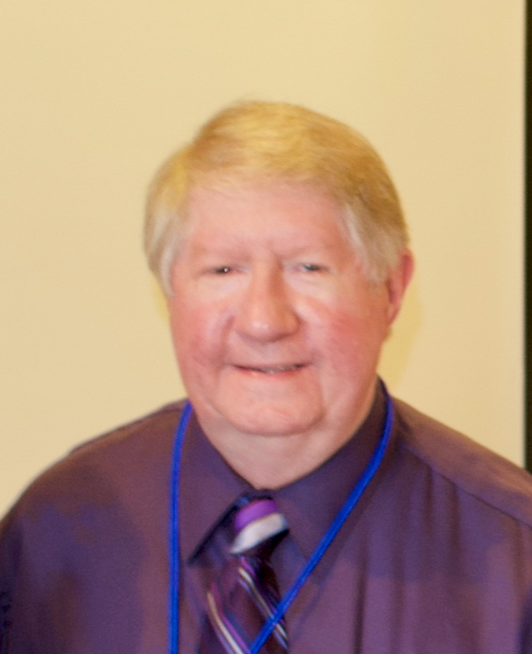
Dr. Gary R. Low
EMERITUS ADVISOR

Dr. Gary R. Low

Co-Creator of Transformative EI
Professor Emeritus, Texas A&M University–Kingsville

Gary Low, Ph.D., is co-creator and developer of Transformative Emotional Intelligence (TEI) Learning & Development with Dr. Darwin Nelson. The genesis of TEI traces back to original, extensive research that began in 1977. Lifelong best friends since first grade, Nelson and Low began their professional work in separate universities, became licensed psychologists early in their careers, and worked together for 50+ years. Their focused research resulted in positive assessments and skills-based, person-centered learning systems used in schools, colleges, universities, and organizations on local, regional, national, and global levels. Gary is Professor Emeritus of Education at Texas A&M University–Kingsville; Patron and Life Member of the Forum for EI Learning in India; Principal of EI Learning Systems, Inc.; and Founding Faculty of EITRI. He co-founded the annual Institute for Emotional Intelligence in 2004, along with the EI Leadership Advisory Working (EI LAW) Group and the annual Personal Excellence Awards. He developed, taught, and supervised EI courses for first-generation, graduate, and doctoral students, and served as professor, department chair, and dean.
Founding Faculty, EITRI Principal, EI Learning Systems EI LAW Group Co-Founder
DN
In Memory of Dr. Darwin B. Nelson 1938 – 2017
Transformative Emotional Intelligence is our voice in the world.
Carrying the Legacy Forward
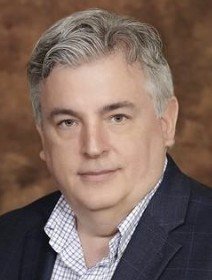
Dr. Dave Rude, CPTD, CALC
PRESIDENT · BOARD DIRECTOR

Dr. Dave Rude, CPTD, CALC

Chief Learning Officer
Longenecker & Associates: A Geosyntec Company

Dr. Dave Rude is the Chief Learning Officer (CLO) at Longenecker & Associates: A Geosyntec Company. He has served as a CLO for 17 years, including for the Department of Defense's civilian workforce of 850,000 employees, the Department of Energy / National Nuclear Security Administration, and a nonprofit research institute. Other highlights of his 40-year career include senior-level positions in talent management, consulting, financial management, and international relations. His research passions are focused on building healthy organizations. Dave serves as partner faculty at various universities and is President of the Transformative Emotional Intelligence Foundation Board. He earned his Ed.D. in Human and Organizational Learning from The George Washington University, an MPA from American University, and a BS from George Washington University. He is a Certified Professional in Talent Development and a Certified Action Learning Coach.
Chief Learning Officer Ed.D., George Washington University CPTD · CALC
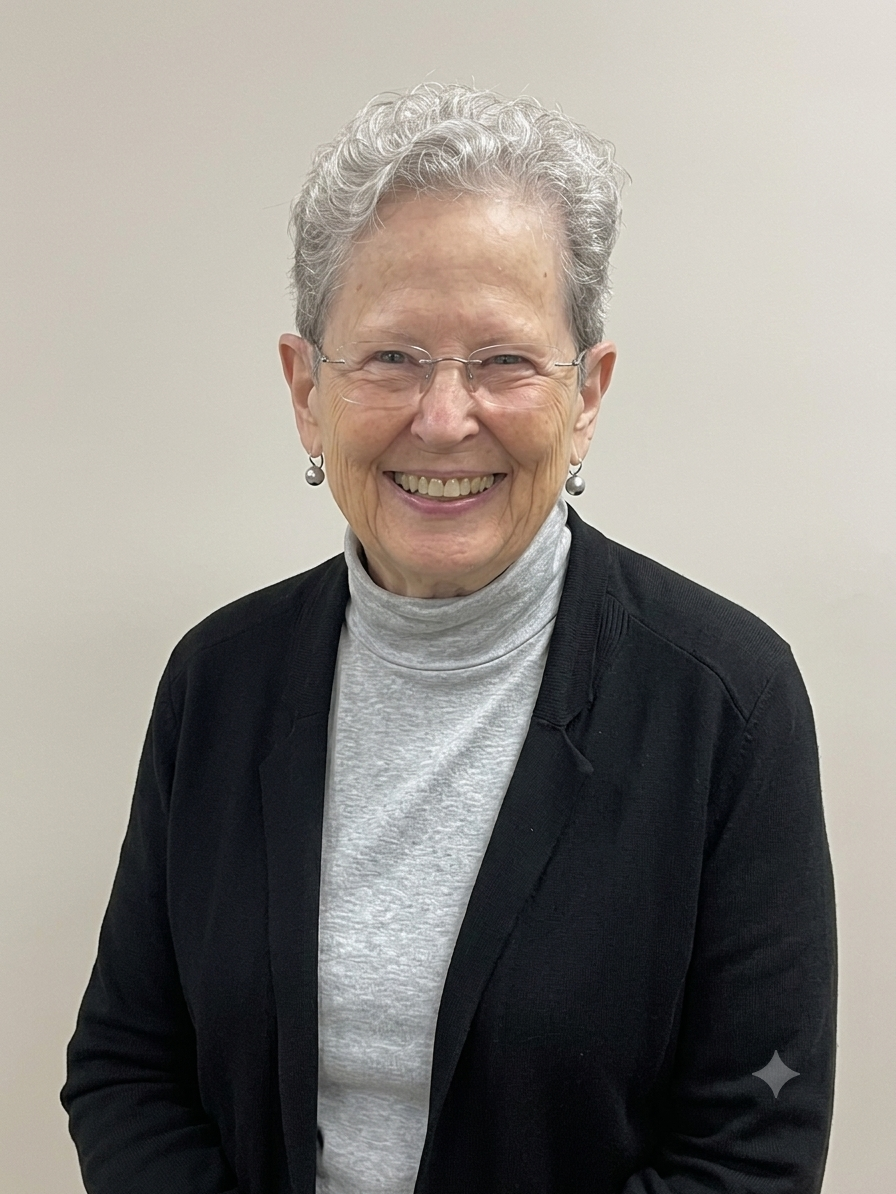
Dr. Kaye Nelson
SECRETARY · BOARD DIRECTOR

Dr. Kaye Nelson

Retired Professor of Counseling & Educational Psychology
Texas A&M University–Corpus Christi

Kaye Nelson earned her Ed.D. at East Texas State University–Commerce (now Texas A&M University–Commerce) around the time her husband, Darwin Nelson, and Gary Low researched and developed their first instrument, The Personal Skills Map. With their support and encouragement, she researched the level of personal skills in distressed and nondistressed marriages for her doctoral dissertation, as her academic emphasis was on marriage and family therapy. Later, as a Professor in the Counseling and Educational Psychology Department at Texas A&M University–Corpus Christi, she supervised doctoral students researching and presenting on personal skills and emotional intelligence. Throughout her career, she continued to research, publish, and present on emotional intelligence. Kaye serves as Secretary of the Transformative Emotional Intelligence Foundation Board, which funds scholarships and grants supporting the practice and research of transformative emotional intelligence.

TEI Foundation Board Secretary EI Researcher & Publisher Doctoral Mentor
Dr. Julie Chancler
TREASURER · BOARD DIRECTOR

Dr. Julie Chancler

Educational Leader · Owner, Mustang Sally Driving School
Texas A&M University–Kingsville (Ed.D.)

Dr. Julie Chancler is an educational leader, former school administrator, Army veteran, business owner, and collegiate athlete with more than 20 years of experience supporting student success, leadership development, and performance-based learning environments. She holds a Doctorate in Educational Leadership from Texas A&M University–Kingsville and has served across Texas public schools as principal, department chair, coach, and instructor. She is the owner of Mustang Sally Driving School, where she combines education, safety instruction, and positive behavior support to help young adults develop responsible habits and life skills. Her professional interests include emotional intelligence, Adlerian psychology, applied behavior analysis, and athlete development. She has attended and presented at EITRI conferences since 2005 and has served on the TEI Foundation board since its inception. She is a recipient of the Personal Excellence Award, presented at the annual Institute for Emotional Intelligence in recognition of her contributions to research, leadership, and service. Certified in Transformative Emotional Intelligence, she has conducted assessments, training, and research for individuals, educators, organizations, and athletic teams since 2006, and is the author of Tips for Behavior Management and Emotional Control for Youth.
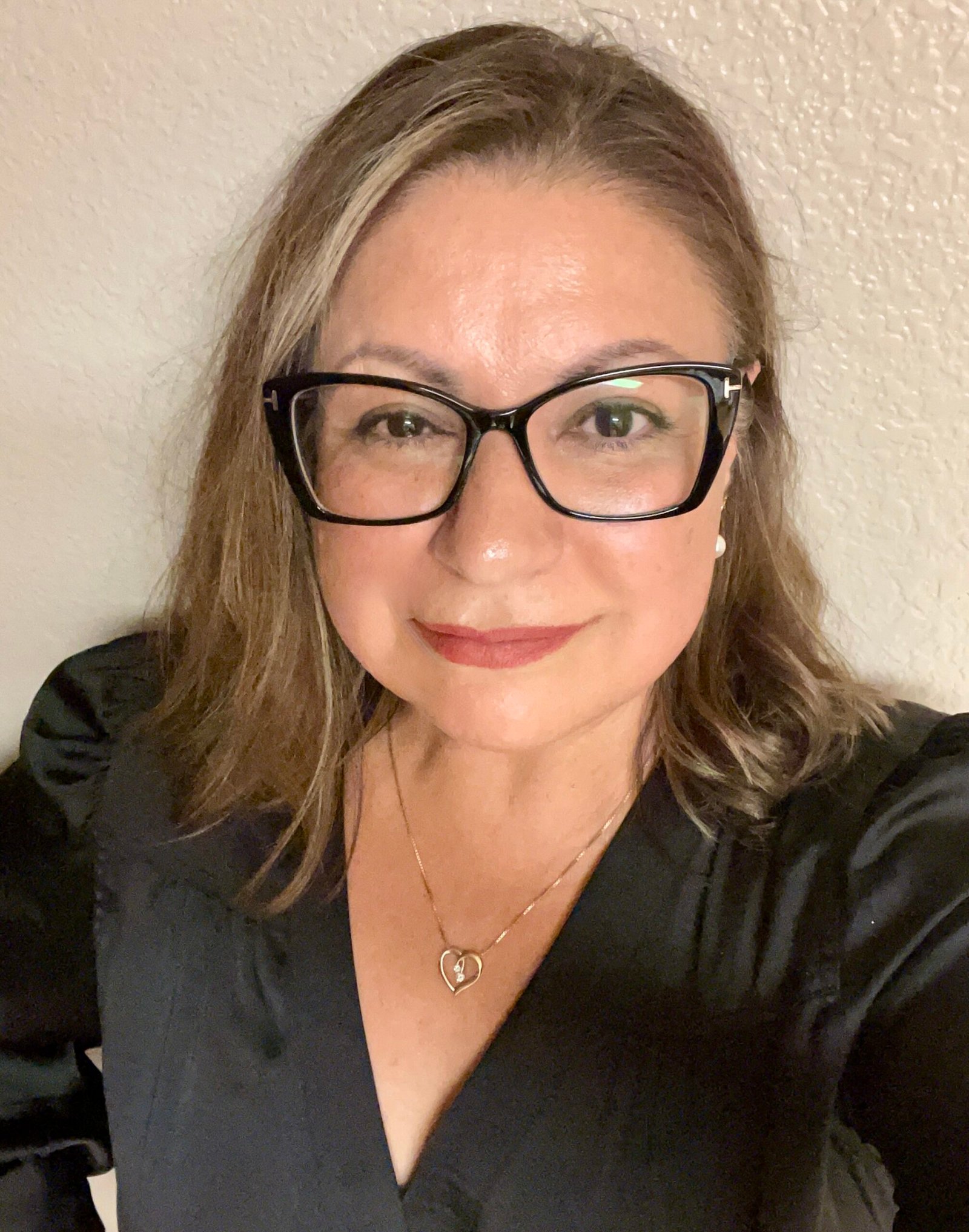
Ed.D., Texas A&M–Kingsville Certified in Transformative EI Personal Excellence Award Army Veteran
Grace Espindola, MSW, BBA, C-TEI
BOARD DIRECTOR

Grace Espindola, MSW, BBA, C-TEI

CEO & Founder, Espindola Management Group
Public Policy · Workforce Development · Executive Coaching

Grace Espindola grew up working in California orchards. Today she coaches executives, shapes public policy, and leads one of the region's most versatile consulting firms. As CEO and Founder of Espindola Management Group, she has spent more than 35 years helping organizations lead with clarity and communities thrive with intention. Her work spans education, healthcare, workforce development, public policy, and Latino strategic engagement, and she has secured over $23 million in grants and contracts. Certified in Transformative Emotional Intelligence through TEIF, she integrates heart-centered awareness into everything from executive coaching to community-scale systems change. She made history as the first Mexican-American immigrant elected to the Yuba City Council and the first Latina to serve as State President of the California Association of Supervisors of Child Welfare & Attendance. She has served on 26 boards and organizations at the local, national, and international level. Grace holds a Master of Social Work from USC's Suzanne Dworak-Peck School of Social Work, with a focus on Social Change and Innovation, and was named a Woman of the Year by Congressman Garamendi.

MSW, University of Southern California Certified in Transformative EI CEO, Espindola Management Group
The Origin Story

Two Friends, One Question

In 1977, two boys who met in first grade — by then both Texas-licensed psychologists — asked a research question that would take 50 years to fully answer. This is the story of how their friendship became a body of work, and how that work became the foundation you see today.

DP
Co-Creator
Darwin B. Nelson, Ph.D.
1938 – 2017

Co-author of the original transformative EI research. Licensed psychologist, professor, and lifelong researcher of the skills that allow people to flourish. Co-developed the field's first assessment instruments alongside Gary Low, beginning with the Personal Skills Map.

&
GP
Co-Creator
Gary R. Low, Ph.D.
Co-founder, EILS · Professor Emeritus, A&M Kingsville

Co-creator and developer of TEI learning and development. Licensed psychologist, founding faculty of EITRI, and architect of the annual Institute for Transformative Emotional Intelligence (2004). Has spent 45+ years extending TEI research and practice across schools, universities, and organizations worldwide.

Transformative Emotional Intelligence is our voice in the world.

— Darwin B. Nelson · 2007
Five Decades of the Work
1977

The Question Begins

Nelson and Low — friends since first grade, both Texas-licensed psychologists — begin original research with a 1,200+ item pool aimed at understanding what differentiates healthy, successful people from those who aren't.

1984

The First Instrument

The Relationship Skills Map (RSM) is published — the first in what will become a family of positive assessment instruments rooted in skills-based, person-centered learning.

2004

Institute for Emotional Intelligence

Nelson and Low co-found the annual Institute for Emotional Intelligence — establishing the conference that becomes the gathering place for practitioners, researchers, and educators in the TEI community.

2007

EILS Founded

Emotional Intelligence Learning Systems is co-founded with Dr. Rick Hammett — providing the operational home for TEI assessments, training, and curriculum. The Personal Excellence Map is published the same year.

2011

The Second Edition

Emotional Intelligence: Achieving Academic and Career Excellence (2nd ed.) is published — codifying the framework that has by then informed dozens of doctoral dissertations and applied programs.

2017

A Foundation Born from Loss

Following the heartbreaking passing of Dr. Darwin Nelson, Dr. Rick Hammett founds the Transformative EI Foundation — a 501(c)(3) created to honor, preserve, and carry forward the 50-year research legacy.

2021

The Definitive Volume

Transformative Emotional Intelligence for a Positive Career and Life is published by Low and Hammett — offering the most complete articulation of the framework's theory, instruments, and applied practice to date.

Today

The Work Continues

With 80+ doctoral dissertations completed, an annual conference, an active foundation, and ongoing scholarship — the work continues exactly as Nelson and Low envisioned: research-derived, person-centered, and built on emotional intelligence as a daily practice.

The Research

A Body of Scholarship, Fifty Years Deep

Transformative Emotional Intelligence is grounded in five decades of research, scholarship, and applied study. The works below represent a small selection of the foundational and recent publications that shape the field.

125+
Publications
80+
Research Studies
50+
Years of Research
Book 2021

Transformative Emotional Intelligence for a Positive Career and Life

Low, G. R. & Hammett, R. D.

The most complete articulation of the TEI framework — its theory, instruments, and applied practice. The definitive volume on transformative EI as a learnable, daily-practice discipline.

Low, G. R., & Hammett, R. D. (2021). Transformative Emotional Intelligence for a Positive Career and Life. Emotional Intelligence Learning Systems.
Book Chapter 2022

Using an Emotional Intelligence Learning System for Person-Centered Curriculum Development and Teaching

Hammett, R. D., Low, G. R., & Schulz, W. C.

A comprehensive chapter applying the TEI framework to inclusive online teaching and learning environments. Defines and presents the five-step Emotional Learning System in detail.

Hammett, R. D., Low, G. R., & Schulz, W. C. (2022). In N. M. McCune (Ed.) Advancing DEI and Creating Inclusive Environments in the Online Space. IGI Global.
Book 2011

Emotional Intelligence: Achieving Academic and Career Excellence

Nelson, D. B. & Low, G. R.

The foundational textbook codifying the framework. By 2011, the work had already informed dozens of doctoral dissertations and applied programs across higher education.

Nelson, D. B., & Low, G. R. (2011). Emotional Intelligence: Achieving Academic and Career Excellence (2nd ed.). Pearson Education.
Journal Article 2007

Emotional Intelligence: A Transformative Theory and Applied Model of Positive Personal Change

Nelson, D., Low, G., & Ellis, R.

The theory-defining paper articulating TEI as a transformative model — published in the Annals of the American Psychotherapy Association. A key reference for the field's research literature.

Nelson, D., Low, G., & Ellis, R. (Winter 2007). Annals of the American Psychotherapy Association, 10(4), 30-35.
Doctoral Dissertation 2007

Personal Excellence: Development and Validation of a New Measure of Emotional Intelligence

Hammett, R. D.

dr_rick_hammetts_doctoral_dissertation_mentored_by_drs_nelson_and_low_which_introduced_the_personal_excellence_map_pem_—_and_laid_the_groundwork_for_what_became_eils_eitri_and_the_tei_foundation

Hammett, R. D. (2007). Personal excellence: The development and validation of a new measure of emotional intelligence (Doctoral dissertation). Texas A&M University–Kingsville.
Doctoral Dissertation 1981

A Comparison of Levels of Personal Skills in Distressed and Non-Distressed Marriages

Nelson, K.

Dr. Kaye Nelson's foundational doctoral dissertation, completed during the early years of the original TEI research program. One of the first studies applying the personal-skills framework to relationship dynamics.

Nelson, K. (1981). A comparison of levels of personal skills in distressed and non-distressed marriages (Doctoral dissertation). East Texas State University, Commerce.
Journal Article 2010

The Relationship Between Emotional Intelligence and Leadership Practices: A Cross-Cultural Study

Tang, H.W., Yin, M.S., & Nelson, D. B.

An international study examining how TEI principles operate across cultures — comparing academic leaders in Taiwan and the United States. Demonstrates the global applicability of the framework.

Tang, H.W., Yin, M.S., & Nelson, D. B. (2010). Journal of Managerial Psychology, 25(8), 899-926.
Book 2015

Teaching and Learning Excellence: Engaging Self and Others with Emotional Intelligence

Nelson, D., Low, G., Nelson, K., & Hammett, R.

Educator-focused application of TEI principles — bringing together all four core authors of the framework's modern era. A practical guide for teaching with emotional intelligence at the center.

Nelson, D., Low, G., Nelson, K., & Hammett, R. (2015). Teaching and Learning Excellence: Engaging Self and Others with Emotional Intelligence. Emotional Intelligence Learning Systems, Inc.

The works above are a curated sample. The full bibliography includes 125+ books, articles, dissertations, and theses spanning five decades of TEI research and application.

View the Full Archive
Get Involved

Help Us Build a Healthier,
Happier, More Productive World

Your support funds the science that makes it possible — research, scholarships, and education rooted in 50+ years of transformative EI.

125+
Publications
80+
Research Studies
500+
Scholarships & Grant Awards
12
TEI Principles
50+
Years of Research
The TEIF is a registered nonprofit · All donations support research & education